
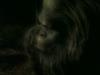
Whoa, look out for this guy next time you go for a swim:shock:
http://www.dailymail.co.uk/pages/li...ogy.html?in_article_id=431041&in_page_id=1965
Replies
13
got any pics?
Whoa, look out for this guy next time you go for a swim:shock:
http://www.dailymail.co.uk/pages/li...ogy.html?in_article_id=431041&in_page_id=1965
 Yikes

Darlene is my middle name, not my nickname
EWWWWW....but pretty cool they were able to get videos, and pictures of it.

Beach Fanatic


SoWal Insider
:shock:

SoWal Insider
Kind of makes you wonder how many other "species" of animals are out there that we don't know about. That thing is really spooky

Beach Fanatic
Also, check out this video from http://www.liveleak.com/view?i=0eaf00493c&o=1
Rare primitive shark captured on film
Last updated at 18:06pm on 24th January 2007
A species of shark rarely seen alive because its natural habitat is 600 metres (2,000 ft) or more under the sea was captured on film by staff at a Japanese marine park this week.
The Awashima Marine Park in Shizuoka, south of Tokyo, was alerted by a fisherman at a nearby port on Sunday that he had spotted an odd-looking eel-like creature with a mouthful of needle-sharp teeth.
Marine park staff caught the 1.6 metre (5 ft) long creature, which they identified as a female frilled shark, sometimes referred to as a "living fossil" because it is a primitive species that has changed little since prehistoric times.
The shark appeared to be in poor condition when park staff moved it to a seawater pool where they filmed it swimming and opening its jaws.
"We believe moving pictures of a live specimen are extremely rare," said an official at the park. "They live between 600 and 1,000 metres under the water, which is deeper than humans can go."
"We think it may have come close to the surface because it was sick, or else it was weakened because it was in shallow waters," the official said.
The shark died a few hours after being caught. Frilled sharks, which feed on other sharks and sea creatures, are sometimes caught in the nets of trawlers but are rarely seen alive.

SoWal Expert
From the article:
The shark appeared to be in poor condition when park staff moved it to a seawater pool where they filmed it swimming and opening its jaws.
"We believe moving pictures of a live specimen are extremely rare," said an official at the park. "They live between 600 and 1,000 metres under the water, which is deeper than humans can go."
"We think it may have come close to the surface because it was sick, or else it was weakened because it was in shallow waters," the official said.
The shark died a few hours after being caught. Frilled sharks, which feed on other sharks and sea creatures, are sometimes caught in the nets of trawlers but are rarely seen alive."
*********
So they thought the shark was sick because it was in too shallow water, yet they caught it and moved it into a pool, then the shark dies? What makes sense about that? I bet their analysis was correct.
The shark appeared to be in poor condition when park staff moved it to a seawater pool where they filmed it swimming and opening its jaws.
"We believe moving pictures of a live specimen are extremely rare," said an official at the park. "They live between 600 and 1,000 metres under the water, which is deeper than humans can go."
"We think it may have come close to the surface because it was sick, or else it was weakened because it was in shallow waters," the official said.
The shark died a few hours after being caught. Frilled sharks, which feed on other sharks and sea creatures, are sometimes caught in the nets of trawlers but are rarely seen alive."
*********
So they thought the shark was sick because it was in too shallow water, yet they caught it and moved it into a pool, then the shark dies?
What makes sense about that? I bet their analysis was correct.
SoWal Guide
wow. so sorry it was caught.
brain
Kind of makes you wonder how many other "species" of animals are out there that we don't know about. That thing is really spooky
I remember seeing a website which hosted legitimate photos of rare and unknown species washed ashore after the 2004 tsunami.

SoWal Insider
wow. so sorry it was caught.
I am too. Can't just assume it was sick. Doesn't matter now though does it??? They never should have caught it and moved it into a shallow pool. Really makes alot of sense, then it dies.


fartblossom
i would pi$$ myself if i saw that headed for me ....:shock:
SoWal Insider
creepy

Beach Fanatic
just another reason for me not to swim in deep water!
Checking your forum account
Please wait while we verify your forum account.