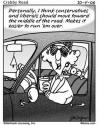
Here is the problem. You have been conditioned to believe you have to have a 'comprehensive' plan, whatever that means. I would point out that the government already offers health care to children and adolescents. The same can be said for senior citizens. That leaves the 20somethings to leading edge 60 years olds needing to make a choice. Eliminate those in that age group who truly are 'sick', who can qualify for government insurance, and you are left with an otherwise healthy populace. If the healthy adults would purchase a 'catastrophic' health plan and simply pay cash for doctor visits, it would be so simple and save for a few exceptions, it would work fine.
Somehow we have been conditioned to believe that it is better to have a $20 co-pay for an office visit and pay a few hundred dollars a month for 'comprehensive' insurance (which usually isn't nearly as comprehensive as purchasers believe) rather than pay far less for a catastrophic plan, have a health savings account and pay maybe $300 annually for an individual to make office visits. It can be done, but many refuse to believe it.
It's my understanding that child health care available by the "government" or individual States is based on income, and it's usually close to the poverty line.
These catastrophic plans you speak of, who determines what is catastrophic? Is it an automobile accident, cancer? What about chronic disease? My sister has had to be rushed to the hospital several times in the past year and a half, has seen numerous specialists, and none of them, until recently, was able to diagnose her with a rare, but manageable disease; one that she was able to punch in all her symptoms into Web MD and figured out herself. Yes, it is rare, but give me a break. Had the physicians had looked at ALL her charts, they would have easily figured it out, but rush them in and rush them out seems to be the mantra these days.
I'm guessing a catastrophic plan would have been catastrophic for her financially after doling out $300 a visit, ambulatory services, blood work, emergency room and hospital stays after the "plan" determined that nothing was really wrong with her prior to be diagnosed. Chances are she would have been one of the Bankruptcy cases that 2/3rd's of the cases are which are related to medical financial hardship.

 ?!? We have all argued the under the table devilish details of the plan. But I think this completely misses the point of why his reform has failed us all. When I hear the "pundits" argue about proposed healthcare reform-very few mention Obama's slight of hand obvious lies as a reason for the massive public backlash. For me, the following links show why I have written this President completely off. I now unfortunately have zero faith in anything he says. Please review the following quick links before commenting




 And I had always thought my avatar was inspired by my son's love of "It's the Great Pumpkin, Charlie Brown????" He loves the picture as well as the song. Instead I am alienated
 I shall banish this DVD from the library
 Forgive me if I do not cite your prior posting history in retort as I have a life and one other point of rational interest.... I do not know you hnooe
 Therefore, I shall choose to avoid the public path of cowardice message board attacks. You are obviously highly skilled at this tactic so please continue to educate us all.