
Hands Across the Sand
-Join us to stop near shore Oil Drilling In Florida Waters
The Florida House of Representatives has already passed a bill that would allow NEAR SHORE oil drilling, that’s within 3 miles of our beaches. The bill would allow pipelines to run to the shore as well. Texas Oil interests have bought off every lobbyist and politician against near-shore oil drilling in our waters. Unless something is done we will have Oil derricks in sight of and fouling our beaches in the near future.
David Pleat is running for District 7 House of Representatives, and we had a meet and greet at Bud & Alley's on October 1. While the election is far off, David is bringing attention to the fact that we may soon have Oil platforms off our coast unless something is done. David spoke eloquently about the importance of stopping Texas Oil interests from fouling our beaches.
The politicians are promising to fix all the states ills, you name it, as a sweetener to get it passed fully. Don Gaetz, our Senator is advocating it. (SEE CLARIFICATION BY SENATOR DON GAETZ AT BOTTOM OF THIS POST) Every representative in our area already voted for it. They had a quick vote at the end of session and the public hardly knows what happened. In the near future they will be trying to pass this fully by tacking it on the gambling pact that is up for a vote with the Seminole Tribe.
This issue affects our quality of life and tourism. This could happen as soon as December or sooner. Most politicians are trying to divert attention to the fact that they voted for this bill, many are already backpedaling. If we make this issue visible and create a groundswell of opposition the bill could be stopped but we must act quickly.
This is not a partisan issue this is a Florida issue. Our beaches are sacred no matter what your race, religion, sex or political affiliation. We need to come together on this issue for our children and grandchildren. Thank you for your help in passing this along to all Florida citizens. A website will be coming out soon, handsacrossthesand.org.
This is what I am suggesting we do.
Hands Across The Sand
Premise:
Initiate a movement to encourage the Concerned Citizens of Florida on a chosen day to join hands on the beach along the 1197 statute miles of Florida Coastline or the Florida Gulf Coast (779 miles) for 15 minutes to create a human line in the sand for the purpose of opposing the eminent legislation to allow near shore oil exploration along the pristine coast of Florida.
This is an effort to "Draw a line in the Sand" against near shore oil drilling in our waters. "We have a choice. Do we want a pristine white line or an oil-drenched polluted one? Believe me, it will be black as oil if this bill passes"
All we have to do is simply go to the beach and join hands for 15 minutes, simple right? This could happen as soon as next month so we need to get the word out. We will be choosing the day next week.
This should get national attention and we very well could stop this legislation in its tracks.
Number of People needed for the whole state
1056 people per mile (one every 5 feet) x 1197 miles = 1,264,032 people
Number of People needed for the Gulf Coast of Florida only
1056 people per mile (one every 5 feet) x 770 miles = 813,120 people
Thanks for your support,
Dave Rauschkolb
A clarification from Senator Don Gaetz
I received a call from Senator, Don Gaetz in the past hour and would like to clarify his position on this Bill. He felt I mischaracterized his position having stated he was among politicians "advocating" the bill. I apologized to him and asked him to state his position on near shore oil drilling.
Don told me his voting history speaks for itself and that he has not voted on the bill and would consider the bill if it is brought to the Senate taking into regard the economic, military and environmental impacts. He verified his position stated in the article below.
Don will be emailing me on Monday with a more in depth statement regarding his position on the matter. I have known Don personally for the past 24 years and it is my sincere hope when all is said and done he will stand with us in opposition to near shore drilling.
The fact remains that all of our local representatives in the House voted for this bill and this article confirms that it is being considered if certain issues regarding the military are satisfied. At some time in the near future a version of the house bill could go before the State Senate. As concerned Floridian's we should follow this matter very closely.
Local lawmakers: oil drilling bill must include military protections
Comments 2 | Recommend 1
September 12, 2009 05:50:00 PM
By MATT DIXON / News Herald Writer
PANAMA CITY — In April, the Florida House passed a bill that would allow the governor and cabinet authority to accept applications for oil and gas drilling as close as three miles off Florida's beaches.
Both area House members supported the legislation, which was never considered by the Senate, but only after provisions were made to protect the Panhandle’s five military bases.
“Jimmy Patronis and I both worked together to ensure that the bill had language that explicitly protected the area’s military interests,” said Rep. Marti Coley, R – Marianna.
With speaker-designate Rep. Dean Cannon, R – Winter Park, and Sen. Mike Haridopolos, R – Merritt Island, in line to become Senate President, set to co-author a similar piece of oil drilling legislation, the topic of oil drilling near the beaches of Bay County, and other coastal areas statewide, is again fast approaching.
Area lawmaker’s priorities, however, remain unchanged.
“If there is any type of military mission that could be affected by a drilling plan, I won’t support it,” Patronis, R – Panama City, said.
Because last session there was no companion to the House bill in the Senate, and Senate President Jeff Atwater, R – North Palm Beach, citing time restraints, refused to take up the House bill, Sen. Don Gaetz, R – Niceville, never got the opportunity to officially chime in on the issue.
He says, however, that he stands in lock step with Coley and Patronis.
“I am with the military,” he said. “If a bill would make us vulnerable in any way, or put us in danger of having any missions being picked off by Nancy Pelosi or Harry Reid. … I will be the loudest voice saying, ‘Let’s slow down.’”
Gaetz said he thinks the issue will inevitably re-appear during the legislature regular session, but that talks of offshore oil drilling coming up during a potential two-day special session in October are pre-mature.
“I think it will come up again, and I think there will be companion bills with strong sponsors,” Gaetz said. “But it will not be a special session issue unless it’s a special session devoted entirely to the topic.
Coley said that talks she has had with House leadership about protecting military interests have gone well.
“I actually spoke with the speaker-designate about protecting the military when considering drilling off of our coast,” she said. “He told me. ‘That’s a given.’”
Dave RauschkolbDave RauschkolbBeach FanaticSanta Rosa Beach1,004 postsJoined View profileMessageBeach FanaticLocked
Dave RauschkolbBeach FanaticSanta Rosa Beach1,004 postsJoined View profileMessageBeach FanaticLocked55,002 views
Edited
Replies
338
jjnole04jjnole04Beach Comber46 postsJoined View profileMessageBeach Comber
jjnole04Beach Comber46 postsJoined View profileMessageBeach ComberPaul Flemming: Two sides are entrenched in oil debate
Tallahassee Democrat, 10/30/2009
http://www.tallahassee.com/article/...mming--Two-sides-are-entrenched-in-oil-debatehttp://www.lobbytools.com/go.cfm?16527491
To drill or not to drill ... is that really the question?
It's a passionate debate, one that's been going on in Florida for decades with an environmentalist ebb and an oil flow. It's now back in the spotlight as the blitzkrieg attack of the spring for the latest proposal to open Florida's Gulf coastal waters to oil and natural gas exploration now gives way to a ground campaign aimed at next spring's legislative session and beyond.
On Wednesday, I moderated a debate between advocates on both sides of the drilling question, with Sen. Mike Haridopolos and Rep. Dean Cannon along for the discussion and "listening" as they propounded their support.
As with so much in American politics, the neutral middle of undecideds seems ever slimmer as those who've made up their minds -- citizens and politicians alike -- fire volleys at each other.
Lines drawn
Wednesday night, there was as much heat as light. An indicator of the ideological divide comes from questions asked. From all around the state, the queries and their tone were instructive.
A reader from Tallahassee asked how oil and gas drilling would delay alternative-fuel developments. A viewer from Tampa asked how we'd be able to develop alternative-energy options without the tantalizing possibility of state revenue from drilling.
One question from Sanibel said a spill in the Timor Sea showed that Australia's beaches were endangered by drilling. Another viewer from Gulf Breeze said Australia was able to extract resources in its waters and maintain its beautiful beaches, so why not Florida?
The same material is used by advocates on both sides to make their separate points. That tells me people are making decisions on ideological grounds, not on the force of facts. Who is undecided on drilling in a seven-mile band that's three miles out in the Gulf of Mexico? Precious few, I suspect.
Who are they?
The group making the big push for the drilling proposal -- Florida Energy Associates -- has spent more than $230,000 hiring a Yankees-level lineup of lobbyists, according to the most recent information, and has also made political contributions of at least $50,000 to Florida Republican and Democratic parties (more given to the controlling GOP).
The reporter-approved modifier for the group is "shadowy, secretive," because the principals putting up the dough have not revealed themselves.
It's a private enterprise, they've not broken any laws and they are within their rights to remain behind the scenes, as far as I know.
But it's a public-relations disaster. On Wednesday, David Rancourt of Southern Strategy Group, the lead lobbying outfit for the group, flat-out refused to put names forward while tantalizing with peripheral information: They're all Americans.
This, of course, only fires up reporters who are further intrigued by information that's withheld. It also makes us wonder about motives. Why, if there were nothing amiss, would you not just say who's bankrolling this operation?
Furthermore, it gives opponents a point of attack that can be easily disarmed by being forthright.
Come out from behind the curtain, wizards of Florida Energy Associates.
Nothing to see here
Is there oil and gas in Florida's waters?
We don't know. There are estimates, but they are exactly that. On Wednesday night, an economist for proponents said if there's nothing out there, so what, what's the cost of allowing exploration, then?
A chief cost would be the near certain end to the existing drilling ban in federal waters off Florida, if the state allowed exploration in its own territorial waters. In 1987, '89, '95 and '98, Florida was able to block federal leases in the Gulf only because of its own ban.
Federal legislation passed in 2006 effectively blocks drilling in the eastern Gulf. But what Congress has done, Congress can undo, and there are plenty of indications that the drilling moratorium is up for a fight to continue to exist.
That's a not insignificant possible impact to lifting Florida's ban.
Wouldn't it be worthwhile to know if Florida Energy Associates would benefit from an end to the ban in federal waters?
# Paul Flemming is the state editor for Gannett's Florida newspapers and floridacapitalnews.com. Contact him at pflemming@gannett.com or 850-671-6550.
Tallahassee Democrat, 10/30/2009
http://www.tallahassee.com/article/...mming--Two-sides-are-entrenched-in-oil-debatehttp://www.lobbytools.com/go.cfm?16527491
To drill or not to drill ... is that really the question?
It's a passionate debate, one that's been going on in Florida for decades with an environmentalist ebb and an oil flow. It's now back in the spotlight as the blitzkrieg attack of the spring for the latest proposal to open Florida's Gulf coastal waters to oil and natural gas exploration now gives way to a ground campaign aimed at next spring's legislative session and beyond.
On Wednesday, I moderated a debate between advocates on both sides of the drilling question, with Sen. Mike Haridopolos and Rep. Dean Cannon along for the discussion and "listening" as they propounded their support.
As with so much in American politics, the neutral middle of undecideds seems ever slimmer as those who've made up their minds -- citizens and politicians alike -- fire volleys at each other.
Lines drawn
Wednesday night, there was as much heat as light. An indicator of the ideological divide comes from questions asked. From all around the state, the queries and their tone were instructive.
A reader from Tallahassee asked how oil and gas drilling would delay alternative-fuel developments. A viewer from Tampa asked how we'd be able to develop alternative-energy options without the tantalizing possibility of state revenue from drilling.
One question from Sanibel said a spill in the Timor Sea showed that Australia's beaches were endangered by drilling. Another viewer from Gulf Breeze said Australia was able to extract resources in its waters and maintain its beautiful beaches, so why not Florida?
The same material is used by advocates on both sides to make their separate points. That tells me people are making decisions on ideological grounds, not on the force of facts. Who is undecided on drilling in a seven-mile band that's three miles out in the Gulf of Mexico? Precious few, I suspect.
Who are they?
The group making the big push for the drilling proposal -- Florida Energy Associates -- has spent more than $230,000 hiring a Yankees-level lineup of lobbyists, according to the most recent information, and has also made political contributions of at least $50,000 to Florida Republican and Democratic parties (more given to the controlling GOP).
The reporter-approved modifier for the group is "shadowy, secretive," because the principals putting up the dough have not revealed themselves.
It's a private enterprise, they've not broken any laws and they are within their rights to remain behind the scenes, as far as I know.
But it's a public-relations disaster. On Wednesday, David Rancourt of Southern Strategy Group, the lead lobbying outfit for the group, flat-out refused to put names forward while tantalizing with peripheral information: They're all Americans.
This, of course, only fires up reporters who are further intrigued by information that's withheld. It also makes us wonder about motives. Why, if there were nothing amiss, would you not just say who's bankrolling this operation?
Furthermore, it gives opponents a point of attack that can be easily disarmed by being forthright.
Come out from behind the curtain, wizards of Florida Energy Associates.
Nothing to see here
Is there oil and gas in Florida's waters?
We don't know. There are estimates, but they are exactly that. On Wednesday night, an economist for proponents said if there's nothing out there, so what, what's the cost of allowing exploration, then?
A chief cost would be the near certain end to the existing drilling ban in federal waters off Florida, if the state allowed exploration in its own territorial waters. In 1987, '89, '95 and '98, Florida was able to block federal leases in the Gulf only because of its own ban.
Federal legislation passed in 2006 effectively blocks drilling in the eastern Gulf. But what Congress has done, Congress can undo, and there are plenty of indications that the drilling moratorium is up for a fight to continue to exist.
That's a not insignificant possible impact to lifting Florida's ban.
Wouldn't it be worthwhile to know if Florida Energy Associates would benefit from an end to the ban in federal waters?
# Paul Flemming is the state editor for Gannett's Florida newspapers and floridacapitalnews.com. Contact him at pflemming@gannett.com or 850-671-6550.
jjnole04jjnole04Beach Comber46 postsJoined View profileMessageBeach Comber
jjnole04Beach Comber46 postsJoined View profileMessageBeach ComberAustralia oil spill fuels debate here
Tampa Tribune, 10/30/2009
Australia oil spill fuels debate here
TALLAHASSEE - Aug. 21 was a mess for the oil industry.
That was the day an oil platform off the northern coast of Australia began leaking 300 to 400 barrels of oil a day into the Timor Sea. Reports are that the leak continues, fouling thousands of miles of ocean and threatening marine life.
The spill also poses problems for oil producers trying to persuade Florida's leaders to permit offshore drilling in state waters. Not only did the Australia spill make headlines, it was - and still is - occurring in a part of the world that industry groups had hailed as a hub of safe, high-tech production.
Environmentalists pounced, saying the spill proves modern drilling is unsafe.
The industry contends such events are rare and that opponents are guilty of distortion.
All of which raises the question: Could such an oil leak happen here?
Down Under
Bill Smith, an Indian Shores councilman, drew a bright line on Oct. 21 between the Australia spill and lifting Florida's ban on offshore drilling.
"Remember, that's 150 miles off the coast - not five or 10, as we're talking about," he told a House panel of lawmakers. "Moreover, drilling proponents have described this technology as safe, state-of-the-art, and the same as would be used here."
A week later, Pinellas County Commissioner Kenneth Welch brought up the spill again. "If that had happened off the coast of Florida, our tourism economy would be fatally wounded," Welch said during an energy forum at Florida State University. The Timor Sea oil operation, he said, "is using the same type of new technology that proponents are saying is very safe."
That drew a protest from Terry Cunningham of Lakeland, a 30-year oil industry consultant who told Welch he didn't know what he was talking about. David Rancourt, a lobbyist for an industry group known as Florida Energy Associates, deemed the issue one of misunderstanding.
This year, a pro-drilling coalition that includes Florida Energy Associates produced a brief declaring that "modern energy exploration is environmentally safe" and "new technology is environmentally protective." It also stated that "In Western Australia, visionary leaders are establishing the region as the sub-sea oil and gas capital of the Asia-Pacific, overcoming significant technical challenges through the innovation of undersea oil production technology."
Drilling supporters reportedly made similar statements this summer during public forums across the state. But Ryan Banfill, spokesman for Florida Energy Associates, said those words don't mean what opponents say they mean.
Misrepresented?
Banfill and Cunningham say "visionary technology" refers to sub-sea oil production. The oil platform that sprang a leak near Australia is a permanent above-surface platform - older technology that below-surface production methods would replace, they said.
"Since the Timor Sea leak started, ... opponents have mischaracterized this point," Banfill said via e-mail.
But the report from the drilling coalition also features explanations and illustrations of "jack-up rigs," temporary above-surface rigs used before the below-surface production phase.
It's the same kind of rig that was drilling at the site of the leaking oil platform off Australia.
Both Australia's government and the Thailand-based owner of the oil platform agree that the oil is emanating from the platform - not the rig. Beyond that, details remain sketchy; no one has confirmed the leak's cause.
In an interview, Cunningham said he thinks the spill likely "had something to do with the drilling - I do believe it was the rig."
That's not the point, he said. "The rig is only as good as the people who are on that rig. The root cause will be human error. No doubt in my mind. The people on the rig made the mistake, and that kind of mistake hasn't happened in the U.S. offshore oil industry in over 40 years. You don't have the same work force there that you do here."
But Cunningham had no specific information about the nationality or training of the Timor Sea crew.
Eileen Angelico, chief of public affairs for the U.S. Minerals Management Service, said the regulatory agency had no such details, either.
Florida Energy Associates continues to stress the newer, below-sea production methods the group is proposing for use in Florida's Gulf waters. But not everyone in the industry is ruling out above-sea platforms.
"I don't know," said Dave Mica, executive director for the Florida Petroleum Council. "Offshore near California, some entities have built an islandesque facility - including a waterfall and palm trees - that has everything disguised. Would XYZ community in Florida want something like that as opposed to nothing visible at all?"
In some locations, he said, leaders might accept a horizon dotted by a platform that represents "jobs, revenues, an American product that's going to help me keep the lights on."
Such a platform would have to meet higher standards than the platform leaking near Australia, U.S. regulators say.
Angelico said that kind of uncontrolled oil flow, or "blowout," would be "highly unlikely" in U.S. waters because her agency never would have approved the engineering design of the well leaking off Australia.
It's hard to speculate about what, if any, role the jack-up rig played in the Australia spill, said Kenneth Schaudt, an oceanographer and meteorologist who has done consulting work for the oil industry. Better context, he said, is the rarity of spills overall.
He cited findings by the nonprofit National Academies that platform spills account for 1 percent of petroleum in North America's waters; natural seeps contribute 60 percent.
Eric Draper, lobbyist for the Audubon Society of Florida, was unmoved. "Australia's a relevant issue because (the oil industry) claimed that drilling is now safe," he said. "And now we have the evidence, in Australia, which is a rig that was built only a few years ago. ... It's our job to take their claims and to unravel them, and that's what we're doing."
Reporter Catherine Dolinski can be reached at (850) 222-8382.
Tampa Tribune, 10/30/2009
Australia oil spill fuels debate here
TALLAHASSEE - Aug. 21 was a mess for the oil industry.
That was the day an oil platform off the northern coast of Australia began leaking 300 to 400 barrels of oil a day into the Timor Sea. Reports are that the leak continues, fouling thousands of miles of ocean and threatening marine life.
The spill also poses problems for oil producers trying to persuade Florida's leaders to permit offshore drilling in state waters. Not only did the Australia spill make headlines, it was - and still is - occurring in a part of the world that industry groups had hailed as a hub of safe, high-tech production.
Environmentalists pounced, saying the spill proves modern drilling is unsafe.
The industry contends such events are rare and that opponents are guilty of distortion.
All of which raises the question: Could such an oil leak happen here?
Down Under
Bill Smith, an Indian Shores councilman, drew a bright line on Oct. 21 between the Australia spill and lifting Florida's ban on offshore drilling.
"Remember, that's 150 miles off the coast - not five or 10, as we're talking about," he told a House panel of lawmakers. "Moreover, drilling proponents have described this technology as safe, state-of-the-art, and the same as would be used here."
A week later, Pinellas County Commissioner Kenneth Welch brought up the spill again. "If that had happened off the coast of Florida, our tourism economy would be fatally wounded," Welch said during an energy forum at Florida State University. The Timor Sea oil operation, he said, "is using the same type of new technology that proponents are saying is very safe."
That drew a protest from Terry Cunningham of Lakeland, a 30-year oil industry consultant who told Welch he didn't know what he was talking about. David Rancourt, a lobbyist for an industry group known as Florida Energy Associates, deemed the issue one of misunderstanding.
This year, a pro-drilling coalition that includes Florida Energy Associates produced a brief declaring that "modern energy exploration is environmentally safe" and "new technology is environmentally protective." It also stated that "In Western Australia, visionary leaders are establishing the region as the sub-sea oil and gas capital of the Asia-Pacific, overcoming significant technical challenges through the innovation of undersea oil production technology."
Drilling supporters reportedly made similar statements this summer during public forums across the state. But Ryan Banfill, spokesman for Florida Energy Associates, said those words don't mean what opponents say they mean.
Misrepresented?
Banfill and Cunningham say "visionary technology" refers to sub-sea oil production. The oil platform that sprang a leak near Australia is a permanent above-surface platform - older technology that below-surface production methods would replace, they said.
"Since the Timor Sea leak started, ... opponents have mischaracterized this point," Banfill said via e-mail.
But the report from the drilling coalition also features explanations and illustrations of "jack-up rigs," temporary above-surface rigs used before the below-surface production phase.
It's the same kind of rig that was drilling at the site of the leaking oil platform off Australia.
Both Australia's government and the Thailand-based owner of the oil platform agree that the oil is emanating from the platform - not the rig. Beyond that, details remain sketchy; no one has confirmed the leak's cause.
In an interview, Cunningham said he thinks the spill likely "had something to do with the drilling - I do believe it was the rig."
That's not the point, he said. "The rig is only as good as the people who are on that rig. The root cause will be human error. No doubt in my mind. The people on the rig made the mistake, and that kind of mistake hasn't happened in the U.S. offshore oil industry in over 40 years. You don't have the same work force there that you do here."
But Cunningham had no specific information about the nationality or training of the Timor Sea crew.
Eileen Angelico, chief of public affairs for the U.S. Minerals Management Service, said the regulatory agency had no such details, either.
Florida Energy Associates continues to stress the newer, below-sea production methods the group is proposing for use in Florida's Gulf waters. But not everyone in the industry is ruling out above-sea platforms.
"I don't know," said Dave Mica, executive director for the Florida Petroleum Council. "Offshore near California, some entities have built an islandesque facility - including a waterfall and palm trees - that has everything disguised. Would XYZ community in Florida want something like that as opposed to nothing visible at all?"
In some locations, he said, leaders might accept a horizon dotted by a platform that represents "jobs, revenues, an American product that's going to help me keep the lights on."
Such a platform would have to meet higher standards than the platform leaking near Australia, U.S. regulators say.
Angelico said that kind of uncontrolled oil flow, or "blowout," would be "highly unlikely" in U.S. waters because her agency never would have approved the engineering design of the well leaking off Australia.
It's hard to speculate about what, if any, role the jack-up rig played in the Australia spill, said Kenneth Schaudt, an oceanographer and meteorologist who has done consulting work for the oil industry. Better context, he said, is the rarity of spills overall.
He cited findings by the nonprofit National Academies that platform spills account for 1 percent of petroleum in North America's waters; natural seeps contribute 60 percent.
Eric Draper, lobbyist for the Audubon Society of Florida, was unmoved. "Australia's a relevant issue because (the oil industry) claimed that drilling is now safe," he said. "And now we have the evidence, in Australia, which is a rig that was built only a few years ago. ... It's our job to take their claims and to unravel them, and that's what we're doing."
Reporter Catherine Dolinski can be reached at (850) 222-8382.

CamelliaCamelliaBeach Fanatic418 postsJoined View profileMessageBeach Fanatic
CamelliaBeach Fanatic418 postsJoined View profileMessageBeach FanaticHere is a communication to the membership of SWCC , written by Anita Page, who went to Tallahassee this week.
Dear SWCC member,
As you may remember, I attended a hearing in Tallahassee on the issue of allowing oil and gas drilling within 10 miles of our beaches. (and within 3 miles if the commissioners agree) Here is a summary of some of the comments made at that hearing. In addition, there is so much information being developed on this topic that I am setting up a separate database for those members who want to receive all of the info I am receiving and/or researching. If you want to be on that list, please let me know. For everyone else, I will continue to send you highlights.
Synopsis of the Highlights of the Hearing Before the House Energy and Utility Policy Committee on 10/21/09.
Background: Florida holds certain sovereign lands in trust for the people of Florida. Such lands include the submerged lands from the high water mark to approximately 10.3 miles offshore. The Board of Trustees of Internal Improvement Trust Fund administers these public lands. They have the authority to sell or lease them provided any such act in not ?contrary to public welfare?.
There is currently a ban on drilling in State waters as well as a Federal ban on oil and gas drilling within 125 miles of the beach in our area. In April, 2009, the Florida House of Representatives voted to remove the ban in State waters. The Senate refused to take up the bill. Proponents have indicated they will re-introduce the bill in the General legislative session in March, 2010. Initially there was some talk of re-introducing the bill in a Special Session in December but I am not aware of any movement to push the issue so soon.
Synopsis of Speaker Comments:
Secretary of FDEP Michael Sole: Since 1947 and before the ban, 19 wells were drilled in State waters. Out of the 19 only one produced a ?show?, 15 barrels of oil.
He indicated there was some risk to highly sensitive areas such as the coral reefs in the Keys. He said the probability of a major spill from a rig was low. The higher risk is from the transportation element-pipelines, barges, etc.
He said there were competing uses that must be considered. Examples include access to sand for beach restoration, aquaculture, shipping, fisheries, military operations and alternative energy sources such as wind and harnessing ocean currents. He showed a map of the Gulf off Texas and Louisiana showing numerous pipelines crisscrossing the ocean floor.
With regard to the potential impact on the economy, he looked to other State?s experience. Sole pointed out that Alabama?s revenues from oil and gas drilling in State waters are between 50 and 300 million dollars and the State of Texas receives revenues totally approximately 45 million dollars. (Note: Sole did not mention Louisiana revenue from drilling in State waters. I have found one source that indicates its just over 2 billion but I need to confirm the figure.)
He indicated there did not appear to be significant finds in the Big Bend area. The Pensacola area is more promising.
He pointed out that with oil and gas drilling there are also upland shore support facilities that are necessary to support the drilling activity, e.g.,storage, processing, distribution.
There are no known facts in the ?public domain? on exactly how much oil and gas can be produced in State waters.
Following Secretary Sole, both proponents of drilling and those in opposition spoke before the committee. Some of the information differed between presenters as you will see below. There was contradictory information between supporters of drilling and there were challenges to some of the claims relating to spills history, promised revenues, jobs and impact on gas prices. A House researcher was asked to ?truth check? facts presented by speakers.
Pro-drilling speakers presented the following comments:
. There is growing public support.
. Will generate 2.5 billion in revenue to the State
. Tar balls on the beach are naturally occurring and cannot necessarily be attributed to oil and gas production.
. Tar balls are in Texas and Louisiana. Prevailing currents won?t bring them to Florida.
. Will employ 20,000 workers in direct energy jobs, 40,000 jobs overall
. Minimal spill impacts from hurricanes
. Drilling is safe for the environment. Will bury pipelines, use subsea technology
. Human error caused large recent spill in Australia. American drilling industry is safer, better trained.
. Tourism will increase if gas prices are lowered. Drilling will lower prices.
. Amount of potential oil in Florida will not lower gas prices alone
. 3:1 ratio of gas to oil
. 10 people on land to support 1 person offshore
. No blowout in U.S. in 40 years
. Will impact Florida by more than 7 Billion dollars per year.
. Jack up rigs will be used for exploration. The actual production pump will be underwater.
. Affiliated Industries of Florida, a leading proponent of drilling presented a power point. It can be viewed at: Associated Industries of Florida
Anti-drilling speakers presented the following comments:
. Research data by Tampa Bay Chamber showed if there were a spill on the beaches, 36.4% of polled visitors said they would go elsewhere in Florida and 50% said they would vacation outside of Florida.
. Florida Association of Convention and Visitors stated tourism in Florida generated 65.5 billion in revenue and employs one million people. They support exploration more than 30 miles from the coast.
. Several speakers were concerned with drilling in Military Mission Zone. (east of 86 degrees, 41 minutes longitude to Tampa area) Walton, offshore, is in this zone.
. A businesswoman from Indian Rocks Beach who runs a vacation rental business presented information on loss of property values.
. Several speakers focused on the U.S. Minerals Management report on oil spills during recent hurricanes. Presented info on spills from rigs, pipelines, and on-shore storage tanks and refineries.
. Several speakers from Tampa Bay area spoke of their experience from the spill in Tampa Bay involving a tanker and its impact on the community.
. Oil and gas activity results in increase in trash on beaches from rigs, crew boats and supply boats
. Network of pipelines may interfere with acquisition of beach quality sand for beach nourishment. One speaker suggested potential sand sources be identified before this issue went much further.
. Several speakers questioned oil companies revenue claims of 2.5 billion dollars as it exceeds both Texas and Alabama. They pointed out that tourism generates 65.5 billion in revenue and a million jobs to the oil company's unsupported claims of 20 to 40,000 jobs. Questions were raised as to the basis for the figures.
. The massive spill from a blowout in Australia was mentioned several times as it employed the ?safer?, ?state of the art? technology being touted by some oil company representatives. (The Montara platform was built and installed in 2008, and the West Atlas drilling rig, was built in 2007)
. Several speakers focused on the shore facilities and their impact on the community. Oil and gas production requires storage tanks, tanker trucks, docks for crew boats and supply boats, refineries, distribution centers, etc.
. Several speakers said there was insufficient evidence presented as to the quantity of oil expected to be found in State waters and that the beaches were subject to potential damage from exploratory activity which may not produce any results. They cited past dry wells.
. The State is putting a significant revenue engine at risk (tourism) for an undetermined potential source of revenue and the potential for significant environmental and economic damage.
I asked that more public hearings be held and that they be held around the State in affected areas before the bill is re-introduced. I also pointed out the coastal dune lakes as having an ecosystem as rare and valuable as the reefs off the keys.
During my own research I have found the following information:
A blowout is an increased risk in shallower waters. (less than 1,000 feet deep) Deep sea drilling has a reduced risk of a blowout.
Most blowouts from rigs occur during the exploratory drilling.
Much information can be obtained from the MMS website at: Minerals Management Service (MMS)
The Minerals Management Service website documents spills in both oil and gas drilling in the Gulf of Mexico. The pollutants discharged from natural gas wells involve uncontrolled release of hydrocarbons and spills of drilling muds, completion muds, etc. For example, In December of 2008, 33 barrels of zinc bromide and 37 barrels of a weighted blend of calcium chloride and calcium bromide were released into the Gulf of Mexico producing a slick which was 5 miles by 5 miles. While some of the spills resulted from equipment failure, many also involved human error according to the reports. These are the smaller spills. To review the pollution statistics for spills in excess of 50 barrels, including spills in 2009, go to the MMS website and choose ?OCS Related Incidents? in the left hand column.
The MMS accident report reflects pipeline spills due to corrosion, pipes being snagged by ship anchors, storm dislodgement, etc.
In addition to MMS accident reports, pollution data from oil and gas is also available from the EPA website.
The blowout in the Timor Sea off Australia has been pouring oil into the sea for more than 2 months now.
Due to better technology, training and oversight, there are less spills than in the past. The spill response reaction time has also increased to help minimize spill damage. Still, though, the very nature of the industry involves trying to find and then transport a pollutant substance in an ocean environment.
Notwithstanding all precautions and personnel training, equipment failure and human error will occur and hurricanes will impact rigs, pipelines and shore structures. Consequently, there continue to be documented spills in both oil and gas drilling and related activities. As was stated in the hearing more than once by both committee members and speakers, what is involved in a ?risk analysis?. With rigs as close as 3 to 10 miles off the beach, there is a definite risk that pollutants will be discharged into the water. The closeness of such activity to the shore further increases the risk of pollutants getting to the beach.
As was expressed in the hearing, are the potential revenues, whatever the final figure may turn out to be, worth the risk to the State?s tourism industry, the environment, property values, etc.?
The committee will be answering this question.
Both the Walton County Board of County Commissioners and the Walton Chamber of Commerce have passed resolutions against drilling east of the Military Mission Line.
Anita Page
SWCC Executive Director
Dear SWCC member,
As you may remember, I attended a hearing in Tallahassee on the issue of allowing oil and gas drilling within 10 miles of our beaches. (and within 3 miles if the commissioners agree) Here is a summary of some of the comments made at that hearing. In addition, there is so much information being developed on this topic that I am setting up a separate database for those members who want to receive all of the info I am receiving and/or researching. If you want to be on that list, please let me know. For everyone else, I will continue to send you highlights.
Synopsis of the Highlights of the Hearing Before the House Energy and Utility Policy Committee on 10/21/09.
Background: Florida holds certain sovereign lands in trust for the people of Florida. Such lands include the submerged lands from the high water mark to approximately 10.3 miles offshore. The Board of Trustees of Internal Improvement Trust Fund administers these public lands. They have the authority to sell or lease them provided any such act in not ?contrary to public welfare?.
There is currently a ban on drilling in State waters as well as a Federal ban on oil and gas drilling within 125 miles of the beach in our area. In April, 2009, the Florida House of Representatives voted to remove the ban in State waters. The Senate refused to take up the bill. Proponents have indicated they will re-introduce the bill in the General legislative session in March, 2010. Initially there was some talk of re-introducing the bill in a Special Session in December but I am not aware of any movement to push the issue so soon.
Synopsis of Speaker Comments:
Secretary of FDEP Michael Sole: Since 1947 and before the ban, 19 wells were drilled in State waters. Out of the 19 only one produced a ?show?, 15 barrels of oil.
He indicated there was some risk to highly sensitive areas such as the coral reefs in the Keys. He said the probability of a major spill from a rig was low. The higher risk is from the transportation element-pipelines, barges, etc.
He said there were competing uses that must be considered. Examples include access to sand for beach restoration, aquaculture, shipping, fisheries, military operations and alternative energy sources such as wind and harnessing ocean currents. He showed a map of the Gulf off Texas and Louisiana showing numerous pipelines crisscrossing the ocean floor.
With regard to the potential impact on the economy, he looked to other State?s experience. Sole pointed out that Alabama?s revenues from oil and gas drilling in State waters are between 50 and 300 million dollars and the State of Texas receives revenues totally approximately 45 million dollars. (Note: Sole did not mention Louisiana revenue from drilling in State waters. I have found one source that indicates its just over 2 billion but I need to confirm the figure.)
He indicated there did not appear to be significant finds in the Big Bend area. The Pensacola area is more promising.
He pointed out that with oil and gas drilling there are also upland shore support facilities that are necessary to support the drilling activity, e.g.,storage, processing, distribution.
There are no known facts in the ?public domain? on exactly how much oil and gas can be produced in State waters.
Following Secretary Sole, both proponents of drilling and those in opposition spoke before the committee. Some of the information differed between presenters as you will see below. There was contradictory information between supporters of drilling and there were challenges to some of the claims relating to spills history, promised revenues, jobs and impact on gas prices. A House researcher was asked to ?truth check? facts presented by speakers.
Pro-drilling speakers presented the following comments:
. There is growing public support.
. Will generate 2.5 billion in revenue to the State
. Tar balls on the beach are naturally occurring and cannot necessarily be attributed to oil and gas production.
. Tar balls are in Texas and Louisiana. Prevailing currents won?t bring them to Florida.
. Will employ 20,000 workers in direct energy jobs, 40,000 jobs overall
. Minimal spill impacts from hurricanes
. Drilling is safe for the environment. Will bury pipelines, use subsea technology
. Human error caused large recent spill in Australia. American drilling industry is safer, better trained.
. Tourism will increase if gas prices are lowered. Drilling will lower prices.
. Amount of potential oil in Florida will not lower gas prices alone
. 3:1 ratio of gas to oil
. 10 people on land to support 1 person offshore
. No blowout in U.S. in 40 years
. Will impact Florida by more than 7 Billion dollars per year.
. Jack up rigs will be used for exploration. The actual production pump will be underwater.
. Affiliated Industries of Florida, a leading proponent of drilling presented a power point. It can be viewed at: Associated Industries of Florida
Anti-drilling speakers presented the following comments:
. Research data by Tampa Bay Chamber showed if there were a spill on the beaches, 36.4% of polled visitors said they would go elsewhere in Florida and 50% said they would vacation outside of Florida.
. Florida Association of Convention and Visitors stated tourism in Florida generated 65.5 billion in revenue and employs one million people. They support exploration more than 30 miles from the coast.
. Several speakers were concerned with drilling in Military Mission Zone. (east of 86 degrees, 41 minutes longitude to Tampa area) Walton, offshore, is in this zone.
. A businesswoman from Indian Rocks Beach who runs a vacation rental business presented information on loss of property values.
. Several speakers focused on the U.S. Minerals Management report on oil spills during recent hurricanes. Presented info on spills from rigs, pipelines, and on-shore storage tanks and refineries.
. Several speakers from Tampa Bay area spoke of their experience from the spill in Tampa Bay involving a tanker and its impact on the community.
. Oil and gas activity results in increase in trash on beaches from rigs, crew boats and supply boats
. Network of pipelines may interfere with acquisition of beach quality sand for beach nourishment. One speaker suggested potential sand sources be identified before this issue went much further.
. Several speakers questioned oil companies revenue claims of 2.5 billion dollars as it exceeds both Texas and Alabama. They pointed out that tourism generates 65.5 billion in revenue and a million jobs to the oil company's unsupported claims of 20 to 40,000 jobs. Questions were raised as to the basis for the figures.
. The massive spill from a blowout in Australia was mentioned several times as it employed the ?safer?, ?state of the art? technology being touted by some oil company representatives. (The Montara platform was built and installed in 2008, and the West Atlas drilling rig, was built in 2007)
. Several speakers focused on the shore facilities and their impact on the community. Oil and gas production requires storage tanks, tanker trucks, docks for crew boats and supply boats, refineries, distribution centers, etc.
. Several speakers said there was insufficient evidence presented as to the quantity of oil expected to be found in State waters and that the beaches were subject to potential damage from exploratory activity which may not produce any results. They cited past dry wells.
. The State is putting a significant revenue engine at risk (tourism) for an undetermined potential source of revenue and the potential for significant environmental and economic damage.
I asked that more public hearings be held and that they be held around the State in affected areas before the bill is re-introduced. I also pointed out the coastal dune lakes as having an ecosystem as rare and valuable as the reefs off the keys.
During my own research I have found the following information:
A blowout is an increased risk in shallower waters. (less than 1,000 feet deep) Deep sea drilling has a reduced risk of a blowout.
Most blowouts from rigs occur during the exploratory drilling.
Much information can be obtained from the MMS website at: Minerals Management Service (MMS)
The Minerals Management Service website documents spills in both oil and gas drilling in the Gulf of Mexico. The pollutants discharged from natural gas wells involve uncontrolled release of hydrocarbons and spills of drilling muds, completion muds, etc. For example, In December of 2008, 33 barrels of zinc bromide and 37 barrels of a weighted blend of calcium chloride and calcium bromide were released into the Gulf of Mexico producing a slick which was 5 miles by 5 miles. While some of the spills resulted from equipment failure, many also involved human error according to the reports. These are the smaller spills. To review the pollution statistics for spills in excess of 50 barrels, including spills in 2009, go to the MMS website and choose ?OCS Related Incidents? in the left hand column.
The MMS accident report reflects pipeline spills due to corrosion, pipes being snagged by ship anchors, storm dislodgement, etc.
In addition to MMS accident reports, pollution data from oil and gas is also available from the EPA website.
The blowout in the Timor Sea off Australia has been pouring oil into the sea for more than 2 months now.
Due to better technology, training and oversight, there are less spills than in the past. The spill response reaction time has also increased to help minimize spill damage. Still, though, the very nature of the industry involves trying to find and then transport a pollutant substance in an ocean environment.
Notwithstanding all precautions and personnel training, equipment failure and human error will occur and hurricanes will impact rigs, pipelines and shore structures. Consequently, there continue to be documented spills in both oil and gas drilling and related activities. As was stated in the hearing more than once by both committee members and speakers, what is involved in a ?risk analysis?. With rigs as close as 3 to 10 miles off the beach, there is a definite risk that pollutants will be discharged into the water. The closeness of such activity to the shore further increases the risk of pollutants getting to the beach.
As was expressed in the hearing, are the potential revenues, whatever the final figure may turn out to be, worth the risk to the State?s tourism industry, the environment, property values, etc.?
The committee will be answering this question.
Both the Walton County Board of County Commissioners and the Walton Chamber of Commerce have passed resolutions against drilling east of the Military Mission Line.
Anita Page
SWCC Executive Director
Dave RauschkolbDave RauschkolbBeach FanaticSanta Rosa Beach1,004 postsJoined View profileMessageBeach FanaticAuthor
Dave RauschkolbBeach FanaticSanta Rosa Beach1,004 postsJoined View profileMessageBeach FanaticAuthor
jack Sjack SBeach Lover173 postsJoined View profileMessageBeach Lover
jack SBeach Lover173 postsJoined View profileMessageBeach LoverHere is another example of an energy company lying to the people, destroying their dream home and lifestyle, and then claiming they are not responsible! This one is on land, in Colorado!! Just a FYI.
Methane Gas in Drinking Water - KRDO.com Colorado Springs and Pueblo News, Weather and Sports
Methane Gas in Drinking Water - KRDO.com Colorado Springs and Pueblo News, Weather and Sports
Dave RauschkolbDave RauschkolbBeach FanaticSanta Rosa Beach1,004 postsJoined View profileMessageBeach FanaticAuthor
Dave RauschkolbBeach FanaticSanta Rosa Beach1,004 postsJoined View profileMessageBeach FanaticAuthorWondrous claims about offshore drilling bogus orlando sentinel EDITORIAL | Gulf state
Bradenton.com | 11/01/2009 | Wondrous claims about offshore drilling bogus orlando sentinel EDITORIAL | Gulf states with offshore rigs get paltry royalties
Bradenton.com | 11/01/2009 | Wondrous claims about offshore drilling bogus orlando sentinel EDITORIAL | Gulf states with offshore rigs get paltry royalties

jodiFLjodiFLBeach FanaticSOWAL,FL2,469 postsJoined View profileMessageBeach Fanatic
jodiFLBeach FanaticSOWAL,FL2,469 postsJoined View profileMessageBeach FanaticHere is another example of an energy company lying to the people, destroying their dream home and lifestyle, and then claiming they are not responsible! This one is on land, in Colorado!! Just a FYI.
Methane Gas in Drinking Water - KRDO.com Colorado Springs and Pueblo News, Weather and Sports
Yep... been keeping up with that story.... all about the "cleaner" fuel they drill for.
GidgetGidgetBeach FanaticBlue Mtn Beach!!2,452 postsJoined View profileMessageBeach Fanatic
GidgetBeach FanaticBlue Mtn Beach!!2,452 postsJoined View profileMessageBeach FanaticYou can count on Gidget and Moondoggie! I LOVE the idea of everyone wearing black shirts!! Was that Jodi's idea? A MUST imo because it is not a natural thing to see - a line of black on white sand with blue sky and water. Please consider that suggestion and post it to the website if you decide to go with it.
I also posted the link on my facebook Jodi.
I have a friend who is a huge envioronmentalist that works at CNN as an anchor (Issues with Jane Velez Mitchell) I wonder if there will be enough people showing up for this to go national? If so, I can send her the details and see if they are interested.
Keep us updated and thanks for all of your hard work.
G
I also posted the link on my facebook Jodi.
I have a friend who is a huge envioronmentalist that works at CNN as an anchor (Issues with Jane Velez Mitchell) I wonder if there will be enough people showing up for this to go national? If so, I can send her the details and see if they are interested.
Keep us updated and thanks for all of your hard work.
G
Dave RauschkolbDave RauschkolbBeach FanaticSanta Rosa Beach1,004 postsJoined View profileMessageBeach FanaticAuthor
Dave RauschkolbBeach FanaticSanta Rosa Beach1,004 postsJoined View profileMessageBeach FanaticAuthorWe might very well do black shirts; I have been thinking about that for awhile. I have the design done already. I sent info to CNN already but if you have someone who might want to talk to me have them contact me please. I fully expect this will draw national attention. Thank you for your support. 850-865-1061
Dave
Dave
You can count on Gidget and Moondoggie! I LOVE the idea of everyone wearing black shirts!! Was that Jodi's idea? A MUST imo because it is not a natural thing to see - a line of black on white sand with blue sky and water. Please consider that suggestion and post it to the website if you decide to go with it.
I also posted the link on my facebook Jodi.
I have a friend who is a huge envioronmentalist that works at CNN as an anchor (Issues with Jane Velez Mitchell) I wonder if there will be enough people showing up for this to go national? If so, I can send her the details and see if they are interested.
Keep us updated and thanks for all of your hard work.
G
Dave RauschkolbDave RauschkolbBeach FanaticSanta Rosa Beach1,004 postsJoined View profileMessageBeach FanaticAuthor
Dave RauschkolbBeach FanaticSanta Rosa Beach1,004 postsJoined View profileMessageBeach FanaticAuthor"Hands" is growing across the State. Join Hands with us to protect our Coastal Legacy
The Audubon Society, The Surfrider Foundation, The Sierra Club, Progress Florida and Protect Florida's Beaches are joining hands with us. Senator Dennis L. Jones (R) and former Senator Jack Latvala(R) are the beginning of a growing line of leaders joining hands with us.
Every Chamber of Commerce from Pensacola to Panama City have passed resolutions against this legislation.
We will be posting the names of all of our partners against Texas oil in our waters on the "Hands" Website.
We will also post those members of The Florida House of Representatives who voted to allow Texas Oil to foul our waters and beaches. We will post those who plan on voting for this Folly for Florida as well.
Senator Durell Peaden(R) of Crestview has gone on record as being against this legislation. It is our sincere hope our own Senator Don Gaetz(R), as our Coastal Senator, will also Join Hands with us. I will be meeting with Florida Senators across the state to ask in person their position on this important issue for our beloved Florida.
We must not let anonymous Texas Oilmen redefine our Coastal Legacy of clean waters, clean beaches, tourism and our Florida way of life. We Floridians must protect this legacy for our Children and Grandchildren, for ourselves and for the millions of guests who enjoy our beautiful Sunshine State.
Join Hands with us at Hands Across The Sand | A gathering of citizens of Florida to prevent near shore oil drilling in Florida's coastal waters. :welcome:
The Audubon Society, The Surfrider Foundation, The Sierra Club, Progress Florida and Protect Florida's Beaches are joining hands with us. Senator Dennis L. Jones (R) and former Senator Jack Latvala(R) are the beginning of a growing line of leaders joining hands with us.
Every Chamber of Commerce from Pensacola to Panama City have passed resolutions against this legislation.
We will be posting the names of all of our partners against Texas oil in our waters on the "Hands" Website.
We will also post those members of The Florida House of Representatives who voted to allow Texas Oil to foul our waters and beaches. We will post those who plan on voting for this Folly for Florida as well.
Senator Durell Peaden(R) of Crestview has gone on record as being against this legislation. It is our sincere hope our own Senator Don Gaetz(R), as our Coastal Senator, will also Join Hands with us. I will be meeting with Florida Senators across the state to ask in person their position on this important issue for our beloved Florida.
We must not let anonymous Texas Oilmen redefine our Coastal Legacy of clean waters, clean beaches, tourism and our Florida way of life. We Floridians must protect this legacy for our Children and Grandchildren, for ourselves and for the millions of guests who enjoy our beautiful Sunshine State.
Join Hands with us at Hands Across The Sand | A gathering of citizens of Florida to prevent near shore oil drilling in Florida's coastal waters. :welcome:
Edited
David PleatDavid PleatBeach Comber19 postsJoined View profileMessageBeach Comber
The Destin City Council passed a resolution last night opposing drilling in State waters joining all area chambers and the Walton County Commissioners against this attempt to jeapardize our economy and environment. When will our elected officials get the message? The plain message coming out of the panhandle is "No to Texas Oil threatening our economy and taking our most important natural treasure."
Dave RauschkolbDave RauschkolbBeach FanaticSanta Rosa Beach1,004 postsJoined View profileMessageBeach FanaticAuthor
Dave RauschkolbBeach FanaticSanta Rosa Beach1,004 postsJoined View profileMessageBeach FanaticAuthorThe truth the Texas Oilmen don't want you to know
NEWS RELEASE
November 2, 2009 Contacts: David J. Cullen, Sierra Club Florida, 941.323.2404
Tony Sasso, Surfrider Foundation, 321.258.8217
TALLAHASSEE ? Yet another oil well has sprung a leak in the Timor Sea. The new gas leak, reported late last week, is in the same general region as one off the coast of Australia that has been hemorrhaging oil, gas and condensate for more than 10 weeks now and has produced a slick covering a 3,720-square-mile area.
Meanwhile, just this past Friday, an oil tanker with a suspected mechanical failure dumped between 400 to 800 gallons of oil into San Francisco Bay, creating an oil slick three miles long. Incredibly, supporters of lifting a ban on drilling in near-shore waters off the Gulf Coast of Florida continue to insist the industry is safe and poses no threat to the environment or to Florida?s tourism-dependent beach communities, prompting 30 communities and organizations to date to pass resolutions in opposition.
?The claims of safety are meant to blow smoke and sow confusion. Typical advertising,? said David Cullen of Sierra Club Florida. ?You don?t have to look as far away as Australia to see the ill-effects of drilling on our environment and communities around the Gulf of Mexico.?
According to just one of the many public sources reporting oil spills, hurricanes, transportation mishaps, human errors and old fashioned well blowouts since 1993 have flushed a total of at least 7.4 million gallons of gas and oil into the Gulf of Mexico and the rivers that feed it over the past 16 years to devastating effect.
[Sixteen incidents culled from a site maintained by NOAA are attached to this news release. Oil spill incidents in the NOAA southeast region may be found at http://www.darrp.noaa.gov/southeast/index.html.]
"This is not a one time gamble," noted Cullen. "They'll be out there drilling for years. And the more they drill, the more certain it is that there will be a spill that affects Florida. Mathematically, the risks eventually catch up with us."
The truth is that the industry is not safe and even small spills can have a disastrous effect on beach communities and environments, said Tony Sasso, a former member of the Florida House of Representatives and a current member of the Florida Surfrider Foundation.
"Either these oil lobbyists have thrown the truth under the bus or they are getting their information from another planet,? said Sasso. ?The actual facts are clear, abundant and available from the Coast Guard, National Ocean and Atmospheric Administration, U.S. Department of the Interior?s Minerals
Management Service, and the Environmental Protection Agency. ?It is a proven fact that oil drilling, production and transport, including pipelines, is a polluting and accident-infested business. These facts and figures don't lie."
Each week another business, Florida community or organization is coming forward to speak out or to adopt resolutions in support of preserving Florida?s coasts, he noted.
To date, more than 29 organizations have passed resolutions to protect Florida?s Gulf waters and/or to oppose lifting the ban on oil drilling. They include: Bay County Chamber of Commerce; Bay County Commission;Barrier Islands Governmental Council (Big C); Captiva Erosion Prevention District; Clearwater, City of; Cocoa Beach Surfrider Foundation; Collier County Commission; Destin Area Chamber of Commerce; Escambia County Commission; Florida Restaurant and Lodging Association; Destin City Council; Florida's Great Northwest (Military Interests); Indian Rocks, City of; Indian Shores Town Council; Lee County Commission; Lee County Tourist Council; Miami Beach, City of; Pensacola City Council; Redington Beach, Town of; Redington Shores, Town of; Safety Harbor, City of; Sarasota, City of; Sarasota, County of; St. Petersburg, City of; Tampa, City of; Tampa Bay Beaches Chamber of Commerce; Tarpon Springs, City of; Treasure Island, City of; Wakulla County Commission; Walton Area Chamber of Commerce; Walton County Commission.
--30--
NEWS RELEASE
November 2, 2009 Contacts: David J. Cullen, Sierra Club Florida, 941.323.2404
Tony Sasso, Surfrider Foundation, 321.258.8217
TALLAHASSEE ? Yet another oil well has sprung a leak in the Timor Sea. The new gas leak, reported late last week, is in the same general region as one off the coast of Australia that has been hemorrhaging oil, gas and condensate for more than 10 weeks now and has produced a slick covering a 3,720-square-mile area.
Meanwhile, just this past Friday, an oil tanker with a suspected mechanical failure dumped between 400 to 800 gallons of oil into San Francisco Bay, creating an oil slick three miles long. Incredibly, supporters of lifting a ban on drilling in near-shore waters off the Gulf Coast of Florida continue to insist the industry is safe and poses no threat to the environment or to Florida?s tourism-dependent beach communities, prompting 30 communities and organizations to date to pass resolutions in opposition.
?The claims of safety are meant to blow smoke and sow confusion. Typical advertising,? said David Cullen of Sierra Club Florida. ?You don?t have to look as far away as Australia to see the ill-effects of drilling on our environment and communities around the Gulf of Mexico.?
According to just one of the many public sources reporting oil spills, hurricanes, transportation mishaps, human errors and old fashioned well blowouts since 1993 have flushed a total of at least 7.4 million gallons of gas and oil into the Gulf of Mexico and the rivers that feed it over the past 16 years to devastating effect.
[Sixteen incidents culled from a site maintained by NOAA are attached to this news release. Oil spill incidents in the NOAA southeast region may be found at http://www.darrp.noaa.gov/southeast/index.html.]
"This is not a one time gamble," noted Cullen. "They'll be out there drilling for years. And the more they drill, the more certain it is that there will be a spill that affects Florida. Mathematically, the risks eventually catch up with us."
The truth is that the industry is not safe and even small spills can have a disastrous effect on beach communities and environments, said Tony Sasso, a former member of the Florida House of Representatives and a current member of the Florida Surfrider Foundation.
"Either these oil lobbyists have thrown the truth under the bus or they are getting their information from another planet,? said Sasso. ?The actual facts are clear, abundant and available from the Coast Guard, National Ocean and Atmospheric Administration, U.S. Department of the Interior?s Minerals
Management Service, and the Environmental Protection Agency. ?It is a proven fact that oil drilling, production and transport, including pipelines, is a polluting and accident-infested business. These facts and figures don't lie."
Each week another business, Florida community or organization is coming forward to speak out or to adopt resolutions in support of preserving Florida?s coasts, he noted.
To date, more than 29 organizations have passed resolutions to protect Florida?s Gulf waters and/or to oppose lifting the ban on oil drilling. They include: Bay County Chamber of Commerce; Bay County Commission;Barrier Islands Governmental Council (Big C); Captiva Erosion Prevention District; Clearwater, City of; Cocoa Beach Surfrider Foundation; Collier County Commission; Destin Area Chamber of Commerce; Escambia County Commission; Florida Restaurant and Lodging Association; Destin City Council; Florida's Great Northwest (Military Interests); Indian Rocks, City of; Indian Shores Town Council; Lee County Commission; Lee County Tourist Council; Miami Beach, City of; Pensacola City Council; Redington Beach, Town of; Redington Shores, Town of; Safety Harbor, City of; Sarasota, City of; Sarasota, County of; St. Petersburg, City of; Tampa, City of; Tampa Bay Beaches Chamber of Commerce; Tarpon Springs, City of; Treasure Island, City of; Wakulla County Commission; Walton Area Chamber of Commerce; Walton County Commission.
--30--
GidgetGidgetBeach FanaticBlue Mtn Beach!!2,452 postsJoined View profileMessageBeach Fanatic
GidgetBeach FanaticBlue Mtn Beach!!2,452 postsJoined View profileMessageBeach FanaticWe might very well do black shirts; I have been thinking about that for awhile. I have the design done already. I sent info to CNN already but if you have someone who might want to talk to me have them contact me please. I fully expect this will draw national attention. Thank you for your support. 850-865-1061
Dave
What's the best link you have to summarize this - something not too long, etc... but really shows the impact it could have. I will email it to Jane with your number. Just want to make sure I send the best link to her.
G
MRBSMRBSBeach Lover148 postsJoined View profileMessageBeach Lover
MRBSBeach Lover148 postsJoined View profileMessageBeach LoverKeep up the good work
Lawmakers' love affair with Big Oil
By CARL HIAASEN
chiaasen@MiamiHerald.com
The mystery group trying to repeal Florida's ban on offshore oil drilling is winning converts the old-fashioned way, deploying a battalion of lobbyists and throwing campaign money at state legislators.
Florida Energy Associates, which is basically a front for Big Oil, has already donated about $125,000 to the two major political parties. Nobody turned down a dime, even though the firm won't reveal which oil and gas companies it represents.
That's what makes our legislators so special. They happily sell out without even knowing who's buying them.
Florida Energy Associates has hired about three dozen big-name lobbyists to peddle the idea that drilling in the Gulf of Mexico is perfectly safe, and that it will bring jobs, prosperity and a $2.25 billion annual boost to the state budget.
That dollar prediction is pure fiction, exceeding by sevenfold the maximum yearly drilling revenues from Alabama and Texas combined. But wildcatters are nothing if not optimists.
If you happen to live near a coast, and the majority of Floridians do, the notion of erecting scores of gas and oil derricks in a prime hurricane pathway might seem reckless, especially after what happened to the shorelines of Louisiana and Mississippi when Katrina struck.
Florida Energy Associates wants to assure you that their members -- whoever they are -- would never do anything to foul the beaches, poison the marine life and scare off tourists.
In Tallahassee, the two biggest cheerleaders for offshore drilling are both Republicans. Mike Haridopolos of Indialantic is the future Senate president, and Dean Cannon of Winter Park is the future House speaker.
That's fabulous news for the oil companies, but there's more.
One of the lobbyists hired by Florida Energy Associates is Claudia Diaz de la Portilla, who's married to Senate Majority Leader Alex Diaz de la Portilla, a Miami Republican.
Last month, Alex was named chairman of the Senate's energy, environment and land-use committee, meaning he is positioned to influence any legislation that repeals or weakens the current ban on offshore drilling.
It's not just an inside joke. A senator who will play a key role in the outcome of the oil-exploration controversy is sleeping with a lobbyist for the oil companies.
In a place where ethics actually mattered, this would be denounced as a flagrant conflict of interest. Not in Florida.
Sen. Diaz de la Portilla says he won't recuse himself from the drilling issue because he's open-minded, and he doesn't always vote on the side of his wife's clients.
And while the income she's receiving from Florida Energy Associates presumably benefits the whole family, including her hubbie, we're being asked to believe it won't affect his stance in the drilling debate.
Maybe that's true, but the appearance sure looks bad.
Last spring, the GOP-controlled House voted largely along party lines to end the drilling ban. That bill would have empowered the governor and Cabinet to take bids from energy firms seeking to put drilling platforms as close as three miles from shore.
The measure died in the Senate, where some of the toughest opposition came from other Republicans who weren't swayed by the oil-and-gas lobby's late-session blitz.
Those lawmakers remain skeptical today, and stand as the main bulwark against opening up Florida's offshore waters to energy development. Sen. Durell Peaden of Crestview, who once worked for Texaco, told reporters: ``Once you ruin those beaches, they're ruined forever.''
In 2010, the biggest problem facing Big Oil in Tallahassee is Senate President Jeff Atwater, a Republican from North Palm Beach. He's been unmoved by recent polls -- some paid for by energy interests -- suggesting that Floridians are increasingly open to the prospect of offshore drilling.
Atwater says the subject isn't on the Senate agenda for next year's session, and he wants an independent analysis of the potential risks and benefits before moving ahead.
And while Atwater currently holds life-or-death power over most legislation, Big Oil can afford to be patient. Atwater is running for state chief financial officer, and in any event the senate presidency is slated to go to the pro-drilling Haridopolos in 2011.
When that happens, maybe the faces of Florida Energy Associates will finally peek out of the shadows. If the vote looks to be narrow, they can always pull the Diaz de la Portilla gambit.
Hire the spouses of reluctant legislators to do some one-on-one ``lobbying.''
:angry:
Lawmakers' love affair with Big Oil
By CARL HIAASEN
chiaasen@MiamiHerald.com
The mystery group trying to repeal Florida's ban on offshore oil drilling is winning converts the old-fashioned way, deploying a battalion of lobbyists and throwing campaign money at state legislators.
Florida Energy Associates, which is basically a front for Big Oil, has already donated about $125,000 to the two major political parties. Nobody turned down a dime, even though the firm won't reveal which oil and gas companies it represents.
That's what makes our legislators so special. They happily sell out without even knowing who's buying them.
Florida Energy Associates has hired about three dozen big-name lobbyists to peddle the idea that drilling in the Gulf of Mexico is perfectly safe, and that it will bring jobs, prosperity and a $2.25 billion annual boost to the state budget.
That dollar prediction is pure fiction, exceeding by sevenfold the maximum yearly drilling revenues from Alabama and Texas combined. But wildcatters are nothing if not optimists.
If you happen to live near a coast, and the majority of Floridians do, the notion of erecting scores of gas and oil derricks in a prime hurricane pathway might seem reckless, especially after what happened to the shorelines of Louisiana and Mississippi when Katrina struck.
Florida Energy Associates wants to assure you that their members -- whoever they are -- would never do anything to foul the beaches, poison the marine life and scare off tourists.
In Tallahassee, the two biggest cheerleaders for offshore drilling are both Republicans. Mike Haridopolos of Indialantic is the future Senate president, and Dean Cannon of Winter Park is the future House speaker.
That's fabulous news for the oil companies, but there's more.
One of the lobbyists hired by Florida Energy Associates is Claudia Diaz de la Portilla, who's married to Senate Majority Leader Alex Diaz de la Portilla, a Miami Republican.
Last month, Alex was named chairman of the Senate's energy, environment and land-use committee, meaning he is positioned to influence any legislation that repeals or weakens the current ban on offshore drilling.
It's not just an inside joke. A senator who will play a key role in the outcome of the oil-exploration controversy is sleeping with a lobbyist for the oil companies.
In a place where ethics actually mattered, this would be denounced as a flagrant conflict of interest. Not in Florida.
Sen. Diaz de la Portilla says he won't recuse himself from the drilling issue because he's open-minded, and he doesn't always vote on the side of his wife's clients.
And while the income she's receiving from Florida Energy Associates presumably benefits the whole family, including her hubbie, we're being asked to believe it won't affect his stance in the drilling debate.
Maybe that's true, but the appearance sure looks bad.
Last spring, the GOP-controlled House voted largely along party lines to end the drilling ban. That bill would have empowered the governor and Cabinet to take bids from energy firms seeking to put drilling platforms as close as three miles from shore.
The measure died in the Senate, where some of the toughest opposition came from other Republicans who weren't swayed by the oil-and-gas lobby's late-session blitz.
Those lawmakers remain skeptical today, and stand as the main bulwark against opening up Florida's offshore waters to energy development. Sen. Durell Peaden of Crestview, who once worked for Texaco, told reporters: ``Once you ruin those beaches, they're ruined forever.''
In 2010, the biggest problem facing Big Oil in Tallahassee is Senate President Jeff Atwater, a Republican from North Palm Beach. He's been unmoved by recent polls -- some paid for by energy interests -- suggesting that Floridians are increasingly open to the prospect of offshore drilling.
Atwater says the subject isn't on the Senate agenda for next year's session, and he wants an independent analysis of the potential risks and benefits before moving ahead.
And while Atwater currently holds life-or-death power over most legislation, Big Oil can afford to be patient. Atwater is running for state chief financial officer, and in any event the senate presidency is slated to go to the pro-drilling Haridopolos in 2011.
When that happens, maybe the faces of Florida Energy Associates will finally peek out of the shadows. If the vote looks to be narrow, they can always pull the Diaz de la Portilla gambit.
Hire the spouses of reluctant legislators to do some one-on-one ``lobbying.''
:angry:

Miss CritterMiss CritterBeach FanaticMy perfect beach3,397 postsJoined View profileMessageBeach Fanatic
Miss CritterBeach FanaticMy perfect beach3,397 postsJoined View profileMessageBeach FanaticIn a place where ethics actually mattered, this would be denounced as a flagrant conflict of interest. Not in Florida.
Touche. Love Hiaasen. :clap:

JdargJdargSoWal Expert18,040 postsJoined View profileMessageSoWal Expert
JdargSoWal Expert18,040 postsJoined View profileMessageSoWal ExpertTouche. Love Hiaasen. :clap:
Hands off my boyfriend.;-)
BeachSiO2BeachSiO2Beach Fanatic3,294 postsJoined View profileMessageBeach Fanatic
BeachSiO2Beach Fanatic3,294 postsJoined View profileMessageBeach FanaticDon't get me wrong as I think this is a grayt idea and am personally against the drilling. However, I wonder how many people will drive their vehicles onto the beach at Grayton so that they can join hands to protest big oil.
:idontno: 😀
:idontno: 😀
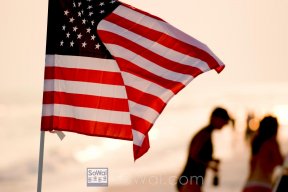
GeoGeoBeach FanaticSanta Rosa Beach, FL2,740 postsJoined View profileMessageBeach Fanatic
GeoBeach FanaticSanta Rosa Beach, FL2,740 postsJoined View profileMessageBeach FanaticDon't get me wrong as I think this is a grayt idea and am personally against the drilling. However, I wonder how many people will drive their vehicles onto the beach at Grayton so that they can join hands to protest big oil.
:idontno: 😀
I'll bite.
I plan on driving onto the beach that day like I do most others. Is it a conflict to make your voice heard against offshore drilling but to enjoy driving a vehicle on Grayton Beach?
BeachSiO2BeachSiO2Beach Fanatic3,294 postsJoined View profileMessageBeach Fanatic
BeachSiO2Beach Fanatic3,294 postsJoined View profileMessageBeach FanaticI'll bite.
I plan on driving onto the beach that day like I do most others. Is it a conflict to make your voice heard against offshore drilling but to enjoy driving a vehicle on Grayton Beach?
I am not trying to start a discussion about driving on the beach so please don't think that was my goal. I was just wondering what it would look like with a line of people on the beach holding hands protesting impacts from offshore drilling with a line of four wheel drive vehicles in the background on the beach. If I were on the other side supporting offshore drilling (which I am NOT), that is the picture I would take and spread as far and wide as possible.
Think about it. Depending on how it's shot, you could show a line of concerned citizens, a globally rare coastal dune lake, sugar white sands, majestic dune systems, and a big 4WD vehicle all in the same shot. The opportunities to try and smear the campaign are endless.
(I hope I didn't just give anyone an idea, but I am pretty sure Big Oil is much smarter on this stuff than I am.)
Thread locked
This conversation is read-only until a moderator unlocks it.