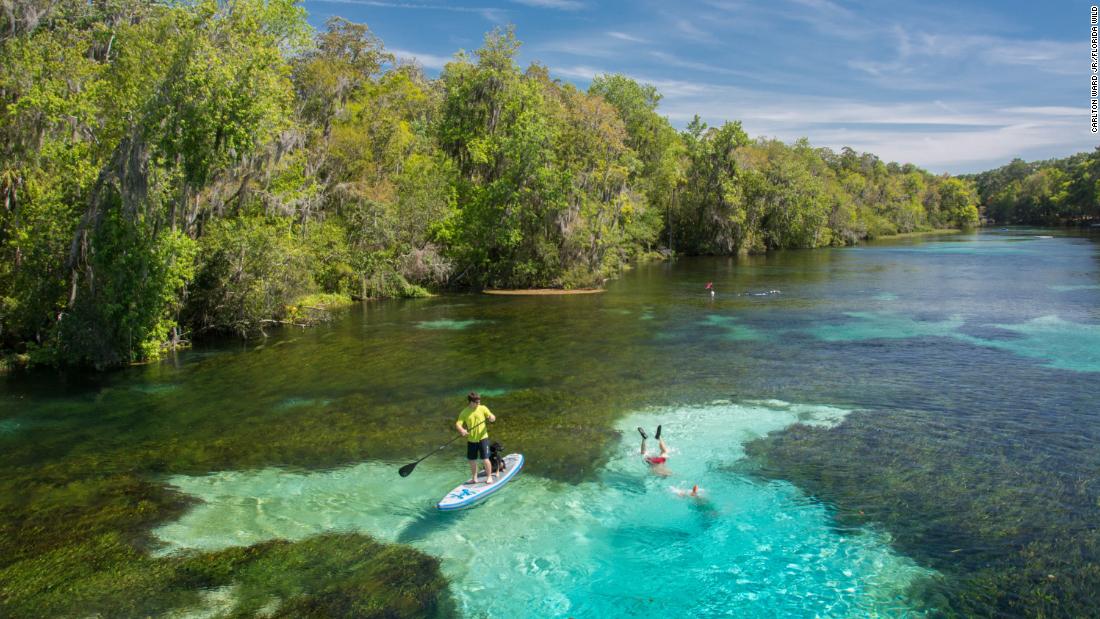
Florida enacts sweeping law to protect its wildlife corridors
The Florida Wildlife Corridor Act was passed unanimously. It aims to protect green spaces, drinking water, and wildlife such as panthers.By DOUGLAS MAIN
PHOTOGRAPHS BYCARLTON WARD JR.
PUBLISHED JUNE 30, 2021
Florida made conservation history by enacting a bill and securing $400 million in funding to help protect the state’s vast network of natural areas.
Known as the Florida Wildlife Corridor Act, the legislation passed the Florida State Senate and House unanimously in late April. It was signed by Governor Ron DeSantis on the evening of June 29.
The act formally recognizes the existence of the Florida wildlife corridor, an interconnected web of green spaces throughout much of the state that includes forests, swamps, fields, pastures, timberlands, and even the edges of suburbs.
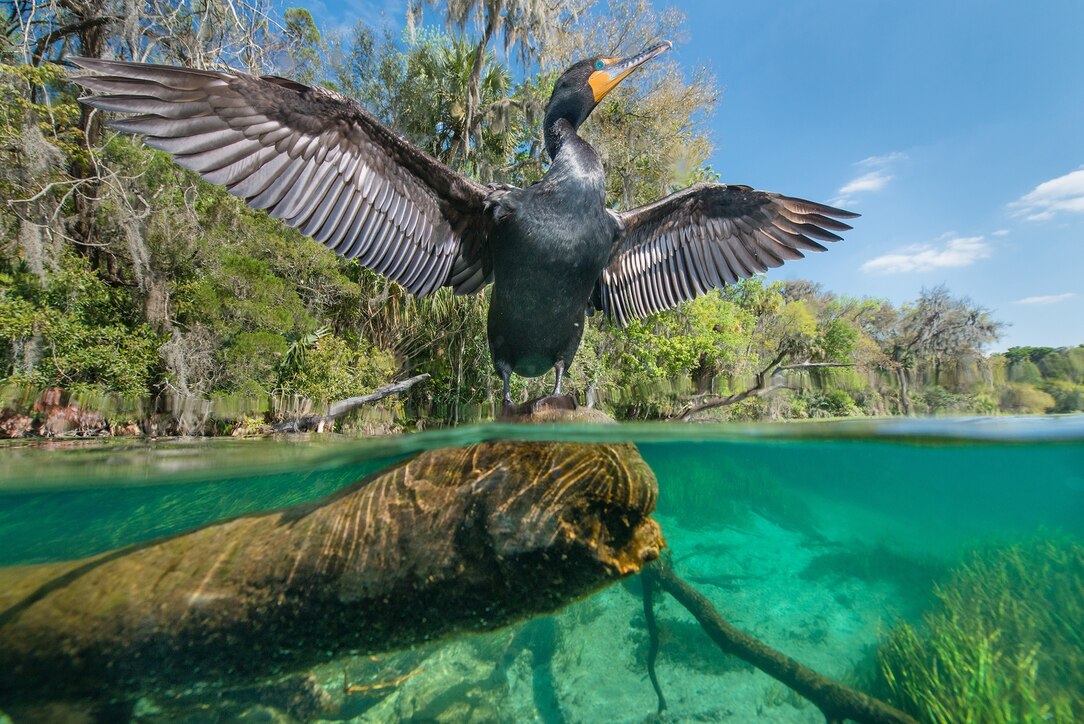
Top: A double-crested cormorant dries its wings while perched on a fallen palm in the Rainbow River, near Dunnellon, north of Tampa...Read More
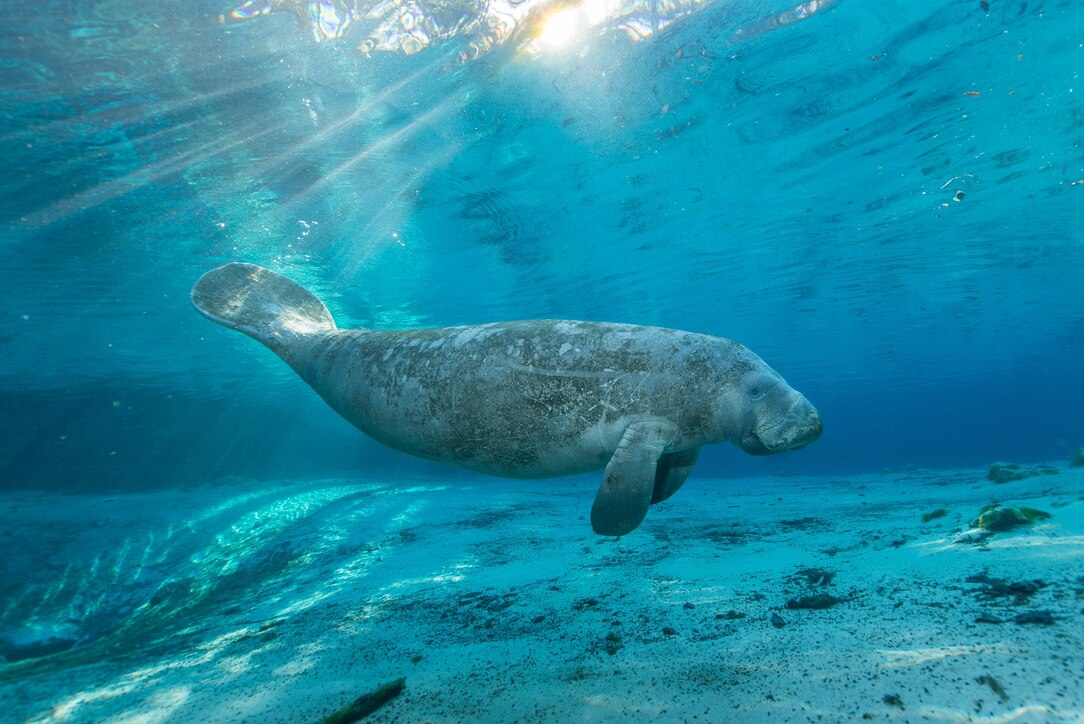
Bottom: A manatee mother and calf explore a spring in Crystal River National Wildlife Refuge. Such springs provide warm refuges du...Read More
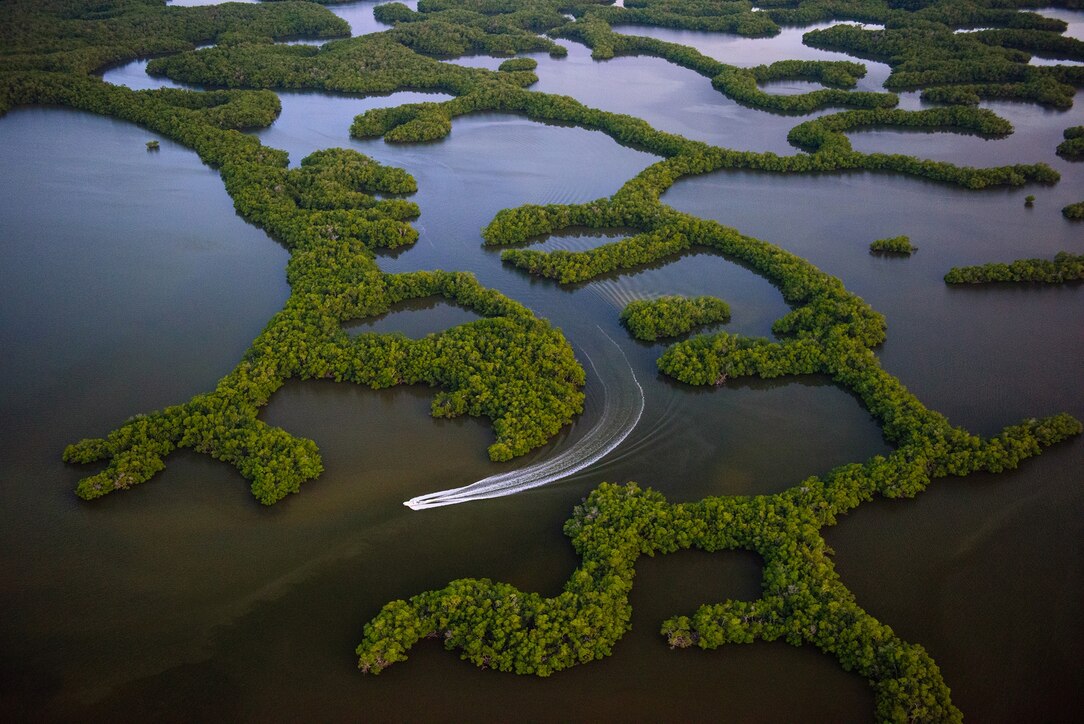
A fishing boat winds through mangroves in Everglades National Park. Conserving the corridor and the Everglades headwaters closer...Read More
These areas are crucial for the existence of Florida’s rich wildlife, especially wide-ranging species such as Florida panthers, black bears, otters, alligators, and many types of birds. Habitat fragmentation, caused by roads and development, is one of the most critical but least recognized threats to biodiversity.
Along with the bill, the legislature has also earmarked $300 million toward protecting lands within the corridor, which can be used to fund conservation easements on private property or acquire land. That’s in addition to $100 million allocated generally to the main state’s land conservation program, called Florida Forever, which functions similarly, though over a slightly broader geographic area.
The act is also intended to protect agricultural lands from development, to provide for continued recreational access to natural areas, and to safeguard clean water and air. That’s vital in the third most populous state, where an average of nearly a thousand people move every day.
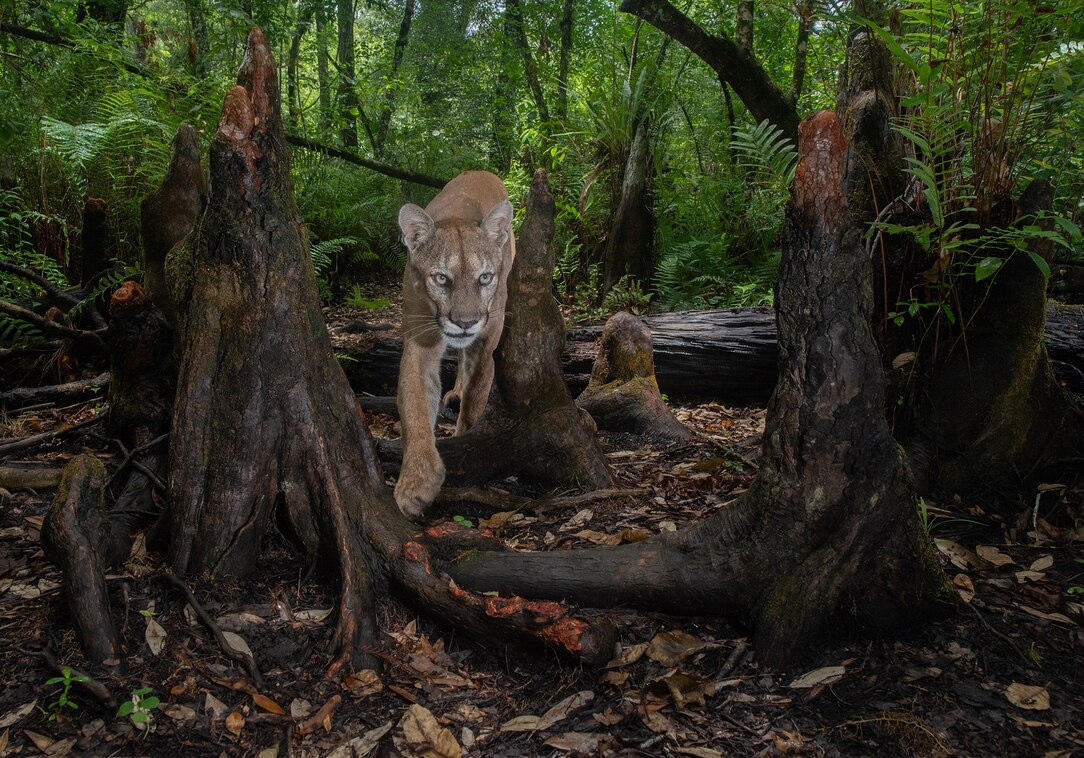
A Florida panther walks among cypress knees during the dry season in Florida Panther National Wildlife Refuge. To survive, the endan...Read More
“It’s the best hope we got,” says Cary Lightsey, a sixth-generation cattle rancher who lives near Lake Kissimmee, of the corridor bill. Protecting these lands will “keep our natural resources going, protect our endangered species, and most of all, the landscape.” (Read more: How America’s most endangered cat could help save Florida.)
natgeo.org

Florida enacts sweeping law to protect its wildlife corridors
The Florida Wildlife Corridor Act was passed unanimously. It aims to protect green spaces, drinking water, and wildlife such as panthers.
 www.nationalgeographic.com